
Introducing the Good Job Starter Kit
Module 1 – Coaching and Mentoring: Principles, Similarities and Differences
The Good Job project aims to strengthen the transition from school to adult life for learners aged 14–21 with disabilities and/or learning difficulties. Many of these young people—whether they experience ADHD, autism, intellectual disabilities, dyslexia, dysgraphia, combined difficulties or other conditions—face limited opportunities once they leave compulsory education. Without tailored preparation, they are at higher risk of social exclusion, long-term unemployment and reduced wellbeing.
To respond to this challenge, the Good Job approach enhances the competences of both learners and the educators who support them. The new Good Job Starter Kit brings together practical tools that help schools, workplaces and local stakeholders introduce the approach in a structured, inclusive and accessible way.
Why a Starter Kit?
Learners with disabilities and/or learning difficulties often benefit from clear pathways, predictable steps and environments that adapt communication and support to their individual needs. Educators working in special schools or inclusive programmes carry multiple roles—teacher, mentor, facilitator, communicator and sometimes counsellor. They need practical resources that help them organise learning, guide the transition process and create opportunities for their students.
The Starter Kit responds directly to these needs. It offers user-friendly materials that educators can use to explain the Good Job approach to colleagues, collaborate with workplaces, and support learners in their first experiences linked to employment.
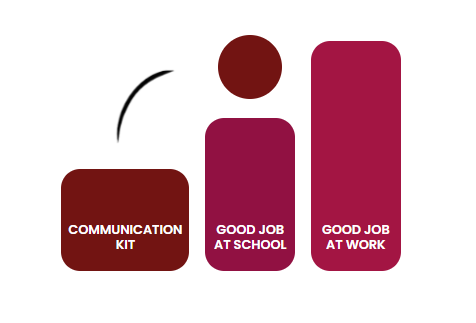
1. Communication Tools
Effective, accessible communication is essential when supporting learners with diverse needs and coordinating with multidisciplinary teams. The Starter Kit provides a complete package of materials to introduce the Good Job approach in a clear and engaging way:
- Presentation (Canva): A concise narrative explaining the benefits of Good Job for learners with disabilities and/or learning difficulties, ideal for staff meetings or family briefings.
- Sample video (Canva): A simple and visual introduction for learners, parents, colleagues or external partners.
- Poster and leaflet: Print-ready materials to raise awareness within schools, training centres and workplaces.
- Presentation (Canva): A concise narrative explaining the benefits of Good Job for learners with disabilities and/or learning difficulties, ideal for staff meetings or family briefings.
- Common graphic guidelines: Ensuring consistency and compliance with Erasmus+ visual identity.
- A Certificate of Attendance template is also included, supporting organisations that deliver trainings or workshops related to the Good Job approach.
2. Good Job at School
Schools and educational programmes are key environments for preparing learners with disabilities and/or learning difficulties for active participation in society and early work experiences. This section of the Starter Kit supports educators in planning and coordinating the process:
- Roadmap for schools (PDF): A clear step-by-step guide to implementing the Good Job methodology.
- Interactive roadmap (Genially): A visual and easy-to-navigate version for staff presentations or training sessions.
- Role descriptions: Clarifying responsibilities for teachers, support staff, coordinators and management.
- Letter of presentation: Template for contacting families, partner schools or community organisations.
- Talking points, FAQs and answers: Helping educators communicate expectations, opportunities and processes in a transparent and accessible way.
- School checklist: A practical tool to track progress and ensure all necessary preparation steps are in place.
3. Good Job at the Workplace
Workplaces play a crucial role in offering real-life learning opportunities and early work experiences. This part of the Starter Kit supports employers and educators as they collaborate to welcome learners with disabilities and/or learning difficulties:
- Roadmap for workplaces: A structured outline of the main phases of becoming a Good Job partner.
- Role descriptions: Explaining the roles of HR staff, mentors, job coaches and supervisors.
- Letter of presentation: Templates to facilitate initial contact between schools, companies & other partners.
- Talking points, FAQs and answers: Supporting employers in understanding learners’ needs and creating a safe, inclusive environment.
- Workplace checklist: Ensuring all elements required for a meaningful placement or learning experience are in place.
A toolkit to support transition, inclusion and independence
The Good Job Starter Kit gathers practical, ready-to-use resources that make it easier for educators and employers to work together and provide learners with disabilities and/or learning difficulties genuine opportunities to grow, build confidence and gain skills for independent living.
By offering templates, clear explanations and inclusive communication tools, the Starter Kit supports a consistent approach across stakeholders. It helps create environments where young people can discover their strengths, engage in meaningful activities and take their first steps toward employment.
The full Starter Kit is now available in the project’s resource section. If you would like guidance on using the Starter Kit or on introducing the Good Job approach in your organisation, the project team is here to help.