Empowering the Labour Transition: Resounding Success in the Final Multiplier Events of the GOOD JOB! Project
The Erasmus+ project GOOD JOB! has concluded with a series of successful multiplier events held in several countries during the autumn of 2025. The main goal of these meetings was the dissemination of the project's results and the mobilisation of regional cooperation to support the labour inclusion of persons with disabilities.
The events took place in Rijeka (Croatia) , Prague (Czech Republic) , Bergerac (France) , Turin (Italy) , and Spain (Reus/Tarragona was the likely location for the Spanish event), gathering a total of nearly 200 participants.
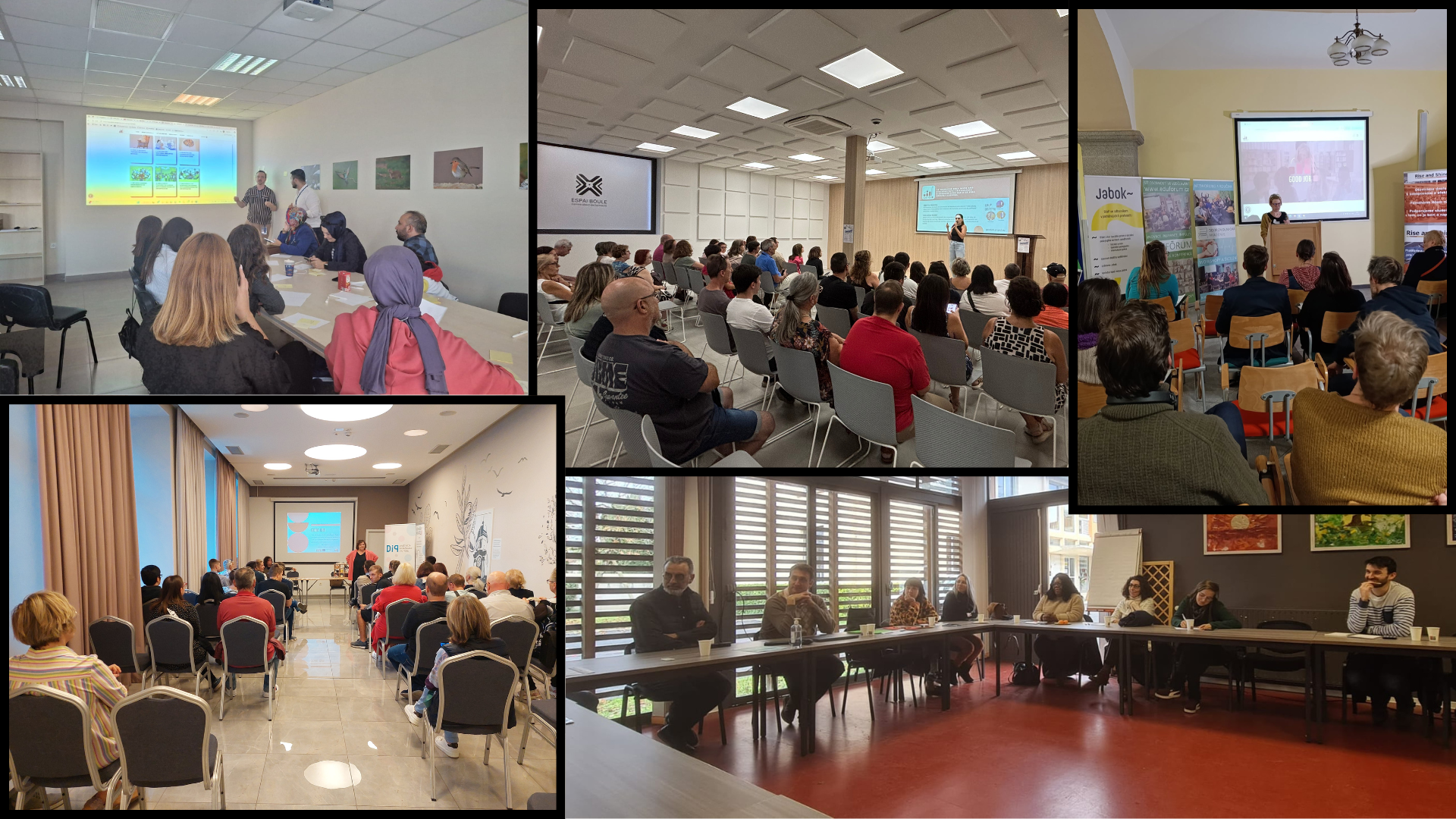
The attendees formed a heterogeneous and strategic group, including:
- VET (Vocational Education and Training) educators and transition mentors.
- Employers and local businesses.
- Local authorities and institutions of social welfare.
- Persons with disabilities and their families.
- NGOs and sector associations.
- Assessment Tool: Designed to support the identification of young adults' strengths, training needs, and employability competences.
- Coaching and Mentoring Programme: A flexible pathway for supporting students during transitions to vocational training and employment.
- Transition Mentors Toolkit and Starter Kit: Practical, ready-to-use materials , including templates, checklists, and the "Good Job Roadmap". In France and Italy, their nature was highlighted as "practical, concrete, and very much needed".
In Spain, this presentation was complemented by the exhibition of the Blau Project from Down Tarragona, which applies the Supported Employment (TCA) methodology to strengthen workers' autonomy and relational skills.
Beyond the dissemination of tools, the events served as vital forums for the exchange of experiences and networking.
Rijeka and Turin emphasised the need for strong collaboration between local authorities, schools, and employers to ensure suitable positions. In Italy, group work sessions focused on identifying barriers and mapping future collaboration.
In Prague, the discussion focused on the possibilities for implementation of the tools within the Czech context and examples of good practice were shared.
The meeting in Bergerac resulted in an "unexpected, but most welcome outcome" : the creation of a mutual support mailing group to maintain collaboration between associations and training centres.
The overall sentiment was one of great appreciation, with participants from the disability community highlighting that they finally had "tangible tools tailored" to support inclusion and the transition process. As one participant in Turin expressed: "When schools and companies finally speak the same language, inclusion stops being a project and becomes a practice".
The GOOD JOB! project's multiplier events have successfully raised awareness of inclusive employment practices throughout the region. By bridging education, social welfare, employers, and the community, the project has significantly strengthened local cooperation in supporting persons with disabilities in their crucial transition to the labour market